Основы ухода за домом и участком — последние часы для регистрации in 2024: what's changed and what works
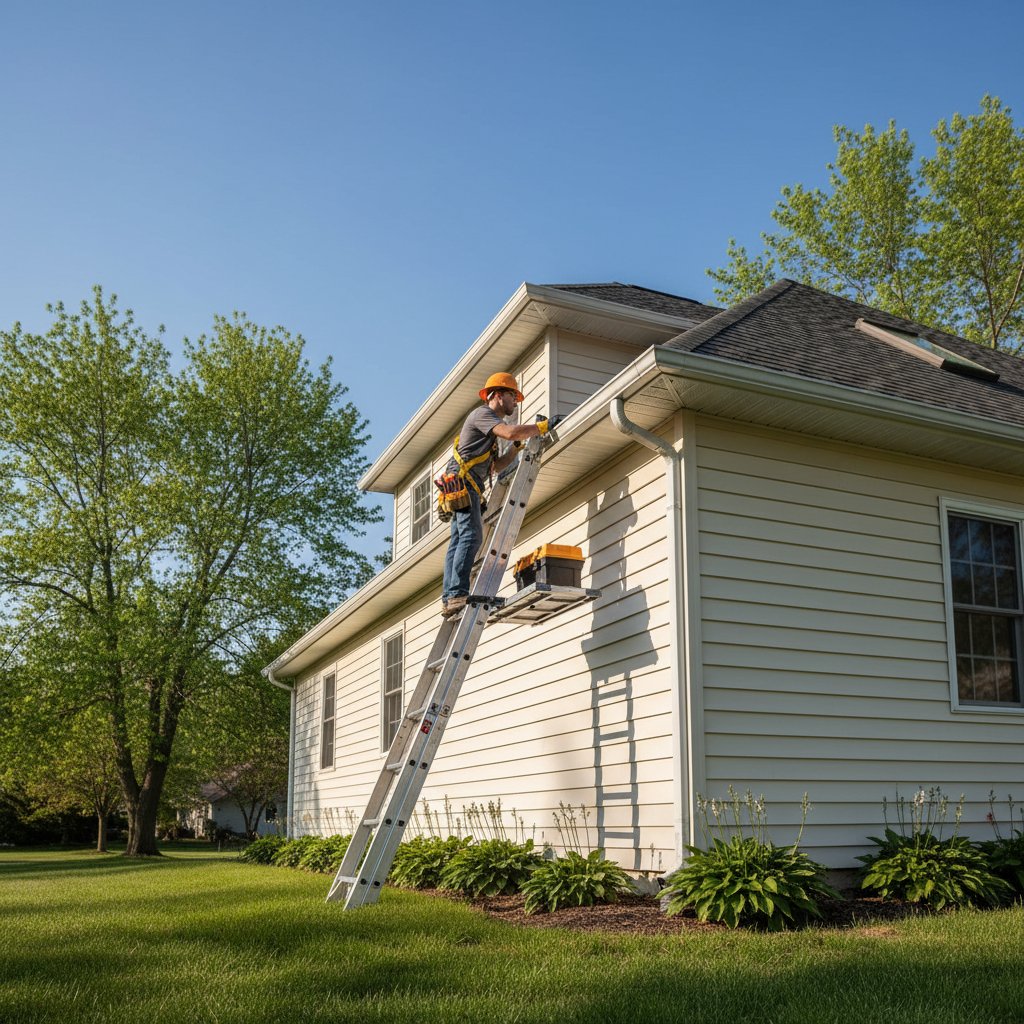
The clock's ticking down, and if you've been putting off registering for essential home and yard maintenance programs, you're about to miss the boat. 2024 brought some significant shifts in how homeowners approach property care, from registration deadlines to new requirements that actually matter. Let me break down what's changed and what still works like a charm.
1. Registration Windows Have Shrunk (And Here's Why That Matters)
Remember when you could register for municipal lawn care programs or waste management services pretty much anytime? Those days are gone. Most cities now enforce strict 48-72 hour cutoffs before service periods begin. Miss the window, and you're waiting another quarter—or worse, paying 30-40% more for emergency enrollment.
Take Seattle's yard waste program as an example. They closed early registration in November, and latecomers ended up paying $89 versus the early bird rate of $52 for the same six-month period. The lesson? Mark your calendar now. Set three reminders. Your wallet will thank you.
2. Digital Documentation Has Become Non-Negotiable
Paper forms are officially ancient history. Every major home maintenance registry now requires digital submissions with photo verification. You'll need clear images of your property boundaries, existing structures, and any areas requiring special attention. Blurry phone pics won't cut it anymore—we're talking minimum 3MB file sizes with proper lighting.
This shift actually works in your favor. Digital records mean faster approvals (average processing time dropped from 14 days to just 3-4 days in 2024) and you can track your application status in real-time. Plus, you've got permanent cloud storage of everything, which becomes invaluable when dealing with insurance claims or property disputes down the line.
3. Seasonal Services Now Require Year-Round Planning
Here's something that caught everyone off guard: you can't just register for snow removal in October anymore. Most contractors now require full-year commitments with bundled services. Want someone to plow your driveway in January? You'll need to sign up for at least two other seasonal services—typically spring cleanup and fall leaf removal.
The economics make sense once you dig into it. Contractors reduced their client turnover by 67% with this model, which means more reliable service for you. One homeowner in Minneapolis told me she initially balked at the $450 annual package, but after calculating what she'd paid piecemeal the previous year ($620), she realized she was saving money and getting priority scheduling during heavy snow events.
4. Smart Home Integration Is Now Expected, Not Optional
Registration systems have evolved beyond simple sign-ups. Most platforms now sync with smart home devices, sending automatic alerts when your lawn irrigation needs adjustment or when your HVAC system requires maintenance. You'll need to provide access credentials during registration—yes, it feels invasive at first, but stick with me.
This integration reduced missed maintenance appointments by 82% according to data from HomeAdvisor's 2024 report. Your service provider gets real-time data about your property's needs, and you get proactive solutions instead of reactive emergencies. Just make sure you're using providers with proper cybersecurity certifications—look for SOC 2 compliance at minimum.
5. Community Bulk Registration Gets You Better Rates
Individual registrations are fine, but neighborhood group sign-ups unlock discounts ranging from 15-25%. Some HOAs organized bulk registrations for landscaping services and negotiated rates that individual homeowners could never touch. We're talking $180 per household versus $245 for solo registration.
The catch? You need at least 10 properties to qualify for most bulk programs, and someone has to coordinate the paperwork. Create a simple Google Sheet, send it around your street, and designate one person as the point of contact. Takes maybe two hours of work for savings that'll cover several nice dinners out.
6. Liability Waivers Have Gotten Seriously Detailed
This isn't fun to read about, but it's crucial. Registration now includes comprehensive liability documentation that actually protects you—if you read it carefully. Service providers must specify exactly what's covered, response times for emergencies, and compensation protocols when things go wrong.
Don't just click "agree" and move on. One clause that appeared in 2024 registrations: automatic renewal with price increases capped at 8% annually. Another: mandatory arbitration for disputes under $5,000. These details matter when you're locked into a contract. Spend 20 minutes reading the fine print or have someone who enjoys that sort of thing (we all know one person) review it for you.
7. Last-Minute Registration Still Works—At A Premium
Missed every deadline? You've still got options, just expensive ones. Most services maintain emergency registration slots that cost 35-50% more than standard rates. Some homeowners budget for this intentionally, preferring flexibility over savings.
The smart play: register on time for absolute essentials like waste removal and HVAC maintenance, then use premium slots for optional services you might want later. That way you're not gambling with necessities while keeping some spontaneity in your property care decisions.
Look, nobody loves administrative tasks, but these final hours before registration closes represent real money and real convenience on the line. The systems have changed, mostly for the better, and understanding how to work within them means the difference between smooth sailing and scrambling when your pipes freeze or your lawn turns into a jungle. Make the call, fill out the forms, and get back to actually enjoying your home instead of stressing about maintaining it.